

The Confederation of African Football has plunged the continent’s flagship tournament into unprecedented controversy after overturning Senegal’s on-field victory in the 2025 Africa Cup of Nations final. In a dramatic ruling, CAF’s Appeal Board invoked Article 84 of its regulations to award a 3–0 result to Fédération Royale Marocaine de Football, effectively stripping Senegal national football team of a title they had already celebrated and handing the crown to Morocco national football team. The decision follows Senegal’s temporary walk-off during stoppage time in a tense and fiercely contested final that had initially been decided on the pitch.
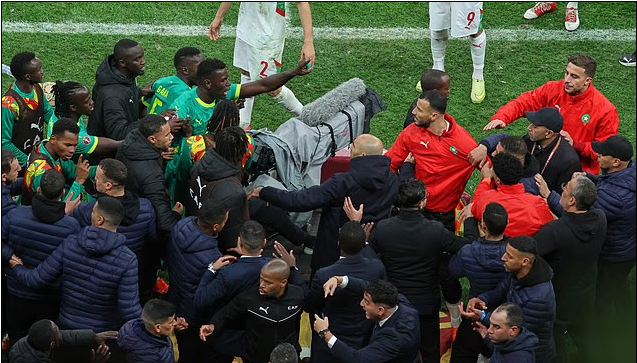
The match itself had descended into chaos in added time when a penalty was awarded to Morocco after VAR intervention. Incensed by earlier officiating decisions, Senegal’s technical bench instructed players to leave the field in protest, triggering a prolonged delay before they eventually returned. The penalty was missed, and Senegal went on to secure victory in extra time, sparking celebrations that have now been overshadowed by CAF’s administrative reversal. The governing body later ruled that Senegal’s actions constituted a breach of Article 82, thereby activating the forfeiture provisions under Article 84.
In a sharply worded press release, the Senegalese Football Federation confirmed it had formally received notification of the March 17, 2026 ruling delivered under case DC23316. The federation noted that CAF’s Appeals Board admitted and upheld the complaint by the Moroccan FA, overturning an earlier decision by the disciplinary body on the basis that the appellant’s right to be heard had not been respected. The FSF further highlighted that the Appeals Committee classified Senegal’s conduct under Articles 82 and 84, ultimately awarding the match as a 3–0 forfeit in favour of Morocco. The federation, however, condemned the outcome as “unfair, unprecedented and unacceptable,” warning that it “discredits African football,” and confirmed it will challenge the ruling before the Court of Arbitration for Sport in Lausanne.
Former Nigel Reo-Coker delivered a scathing assessment, warning that the fallout risks reinforcing long-standing negative perceptions. “It’s an absolute embarrassment for CAF,” he said. “It’s another reason where people will talk down on this competition.” He added: “CAF is an embarrassment. I am of African heritage. I know about AFCON, I have watched it since I was a kid, and I know players who have competed at the highest level. There has always been a stigma around African football, and this only feeds into that narrative. European managers have previously described AFCON as a burden because they lose players in January. Decisions like this give them more reason to look down on the tournament.”
Reo-Coker further questioned the moral weight of the outcome, arguing that neither side truly benefits from a title decided off the pitch. “No Moroccan player or former player would want to win like that,” he said. “Senegal earned it on the field. A victory handed in the boardroom feels like a participation trophy. When players look at themselves, they will know this is not how championships should be decided.” As the dust settles, CAF faces a defining moment: whether it can restore confidence in its processes or risk deepening doubts about AFCON’s credibility in the eyes of the global football community.