

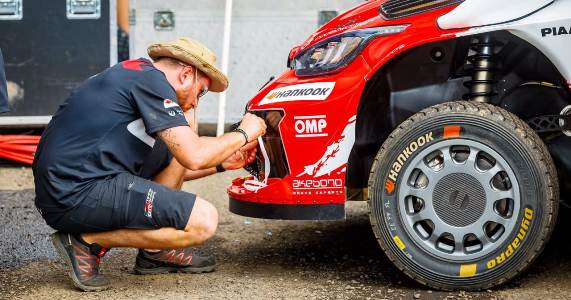
In the demanding world of rallying, building a fast car is only one part of the equation. What truly defines success is the harmony between engineering, reliability, driver’s skill, and team preparation. At the heart of this, the work carried out by the engineers behind the Toyota Gazoo Racing WRT, whose machines continue to set the benchmark in the FIA World Rally Championship.
During a technical discussion at the service park ahead of the iconic Safari Rally Kenya, Mr Taavi Ellermaa a Toyota engineer explained how the team approaches the complex balance between performance and reliability when preparing the Toyota GR Yaris Rally1.
According to Mr Taavi, a rally winning formula goes far beyond the machinery itself.
“Having a good car is one thing, but you also need a driver who can demonstrate that performance on the stages. The real strength comes from the combination of the team, the car, and the driver working together as one package.”
Toyota’s engineers continuously refine the rally car through testing and development, ensuring the machine can withstand the harsh environments of world championship rallies while still delivering top level performance.
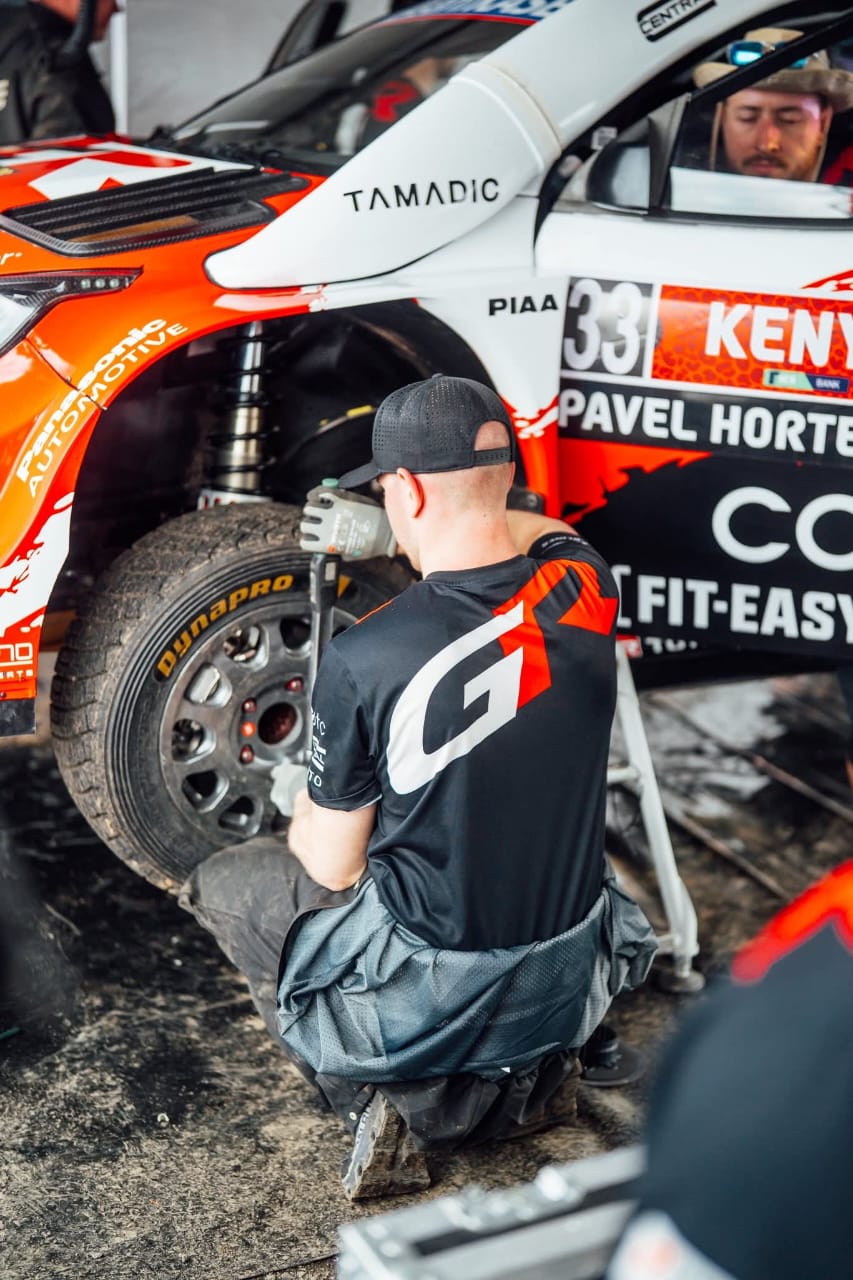
For rallies like Safari Rally Kenya often regarded as one of the toughest events in the championship, reliability becomes the defining factor and always the most important element, Mr Taavi noted, “testing focuses heavily on durability because rallies involve long and extremely demanding stages.”
Years of accumulated experience have helped shape Toyota’s engineering part. Each generation of development contributes to improvements that allow the team to push performance without compromising the car’s ability to survive the rally.
“It’s always a fine balance,” he added. “Performance and reliability must work together.”
While motorsport has historically influenced road car development, the engineer emphasized that rally cars operate in a completely different environment compared to normal production vehicles.
Some engineering insights and knowledge gained in motorsport may eventually influence road car development, including models such as the Toyota GR Yaris. However, rally cars are designed specifically for extreme conditions that normal vehicles rarely encounter.
Road cars are not built for these kinds of environments,” he explained. “So while some small ideas may transfer, rally cars remain a very specialized engineering platform.”
Rally drivers operate under immense pressure, navigating rough terrain at high speed while reading pace notes and reacting instantly to changing conditions.
Toyota engineers design the car so drivers can concentrate on driving rather than worrying about mechanical issues.
“If drivers can rely on the car, they can focus fully on the stages,” Mr Taavi said.
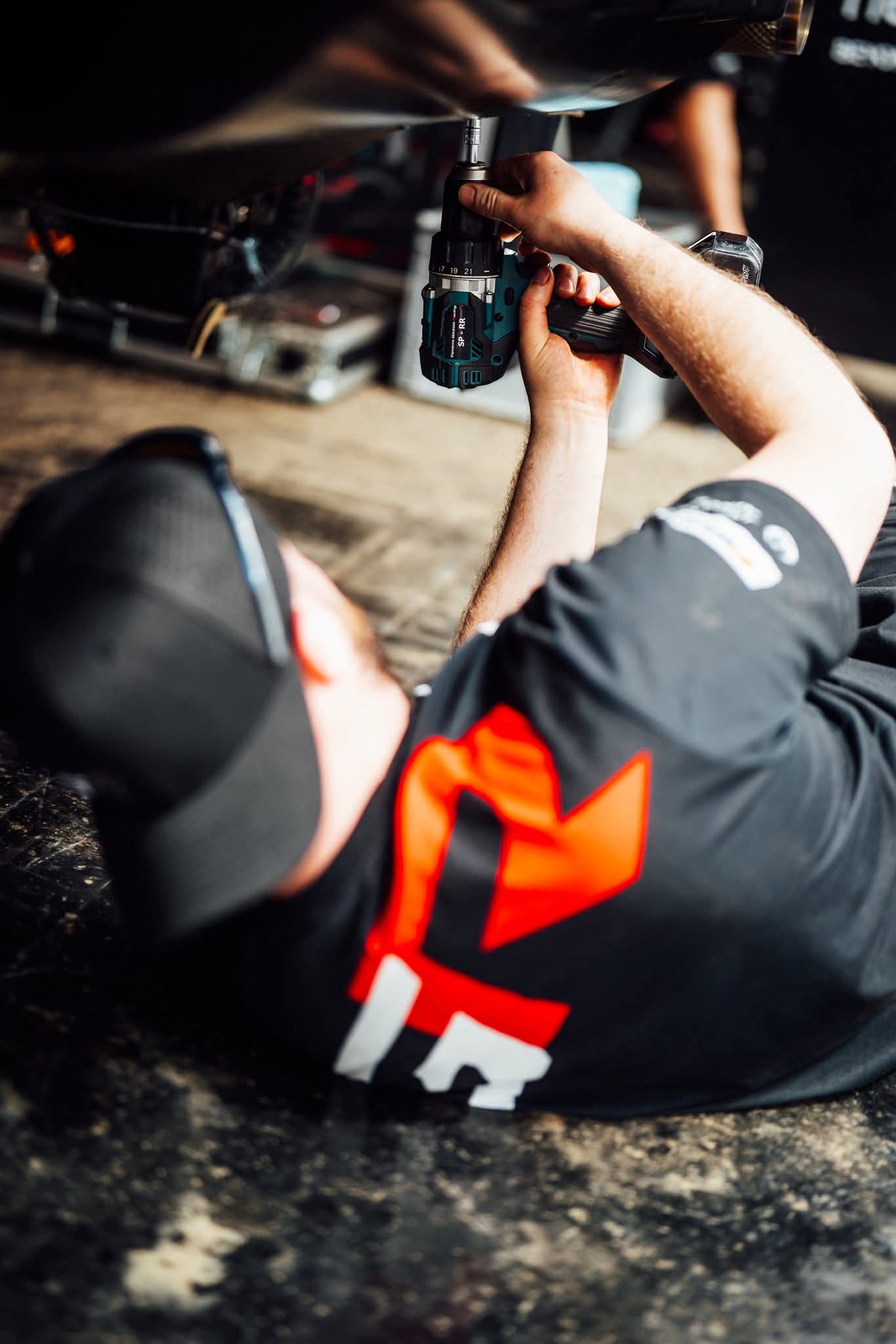
However, drivers and co-drivers still play a role in basic maintenance during the rally. Tasks such as cleaning radiators and air filters can be crucial in dusty conditions, while tire management becomes another major challenge due to cuts, heat, and punctures.
One of the most critical components of a rally car is its suspension system.
The suspension must absorb rough surfaces while keeping the car stable through high-speed sections, something particularly important on rallies like Safari, where terrain can change dramatically.
“The suspension has to operate at a very high level, it must allow the car to absorb impacts but still maintain stability, especially at high speeds.”
For fans curious about what lies beneath the bodywork of a modern rally car, Mr Taavi, offered a simplified explanation of the Toyota machine.
The car features a tubular frame chassis with composite body panels, powered by a 1.6 litre turbocharged four cylinder engine driving all four wheels. It is equipped with a five speed sequential gearbox and adjustable front and rear differentials.
With the driver and co-driver onboard, the car meets the minimum weight requirement of 1,350 kilograms, making it both lightweight and highly capable on the demanding rally stages.
Rallying remains one of the most technically challenging forms of motorsport. From mechanical durability to suspension tuning and driver confidence, every detail plays a role in achieving success.
For the engineers at Toyota Gazoo Racing WRT, the goal is simple but demanding, build a machine capable of conquering some of the toughest roads in world motorsport.
And on events like the legendary Safari Rally Kenya, where reliability often determines the final result, that engineering saying becomes more important than ever.