
A diplomatic storm is brewing ahead of next year’s FIFA World Cup after Iran and Egypt formally objected to Seattle’s decision to brand their group-stage encounter as a “Pride Match.” The city scheduled the theme long before the tournament draw, intending to align the fixture with its annual Pride Weekend on June 26, a tradition celebrating LGBTQ+ communities in one of the United States’ most progressive hubs.
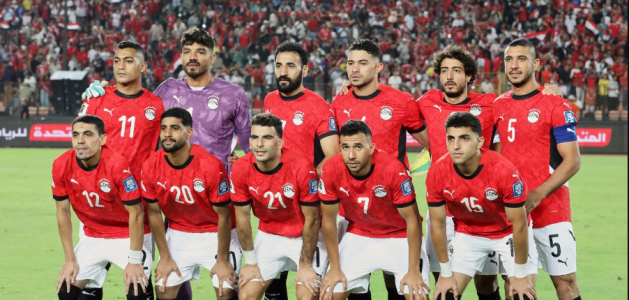
The initiative has, however, drawn sharp rebuke from the football authorities of Iran and Egypt, two nations where same-sex relations are criminalized. Iranian Football Federation president Mehdi Taj criticized the designation as “a biased gesture toward a particular constituency,” saying in a state television appearance that both Tehran and Cairo had expressed their disapproval to the world governing body.
Egypt’s Football Association delivered its objections in a formal letter to FIFA Secretary-General Mattias Grafström, stressing that any stadium activities highlighting LGBTQ+ inclusion run counter to “deeply held cultural, social, and religious values” in Arab and Islamic societies. The letter urged FIFA to block any Pride-related displays during the match, noting that Egyptian law is routinely used to prosecute what authorities deem “debauchery.”
Iran’s federation echoed these sentiments, arguing that the themed match contravenes FIFA rules that prohibit political or ideological demonstrations within match venues. Officials drew parallels to the debates that engulfed the Qatar 2022 tournament, when FIFA restricted the use of the “OneLove” armband promoted as a universal anti-discrimination symbol.
With more than six months until kickoff, the dispute signals a renewed clash between global sporting inclusivity efforts and the cultural conservatism of several participating nations. FIFA has yet to issue a public response as it navigates the delicate task of balancing host-city traditions with the sensitivities of member associations whose laws sharply diverge from the values being celebrated.