

Morocco has signaled a major legal confrontation with African and global football authorities following a stormy Africa Cup of Nations final that has reignited debates over officiating, player conduct and governance in African football. The Royal Moroccan Football Federation (FRMF) says it is preparing formal action against CAF and FIFA, arguing that events during the decisive moments of the final unfairly tilted the contest in Senegal’s favour.
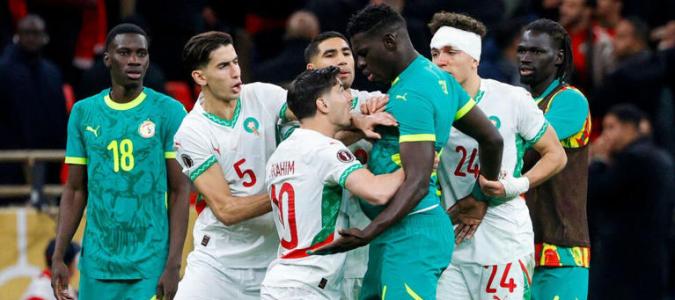
The AFCON 2025 final, played in Rabat on 18 January 2026, unfolded as a high-stakes drama befitting the tournament’s biggest stage. With the score locked at 0–0 deep into stoppage time, referee Jean-Jacques Ndala awarded Morocco a penalty after a VAR review of a foul on Brahim Díaz. The decision came amid confusion, only minutes after a Senegal goal had been ruled out, fuelling frustration on the Senegal bench and among players.
Senegal head coach Pape Thiaw responded dramatically, instructing his team to leave the pitch in protest. The temporary walk-off caused a lengthy delay before play resumed, a pause Morocco now argues fundamentally altered the match conditions. When the penalty was finally taken, Senegal goalkeeper Édouard Mendy saved Díaz’s effort, and the Lions of Teranga later sealed a 1–0 victory in extra time through Pape Gueye.
Morocco insists the interruption disrupted the rhythm and psychological balance of the moment, disadvantaging the penalty taker and compromising the integrity of the final. The FRMF says it is seeking a clear ruling from CAF and FIFA, not only to address this specific case but also to establish firm deterrents against future on-pitch protests during critical phases of matches.
The fallout has drawn sharp reactions from football’s top authorities. FIFA president Gianni Infantino condemned the pitch protest and any associated disorder, stressing that abandoning play undermines the sport’s credibility and respect for officials. CAF has echoed those concerns, confirming a full review of match footage and potential disciplinary referrals. As the legal and disciplinary processes loom, the Rabat final now stands as more than a trophy decider, it has become a flashpoint in the ongoing struggle over fairness, authority and accountability in African football.