
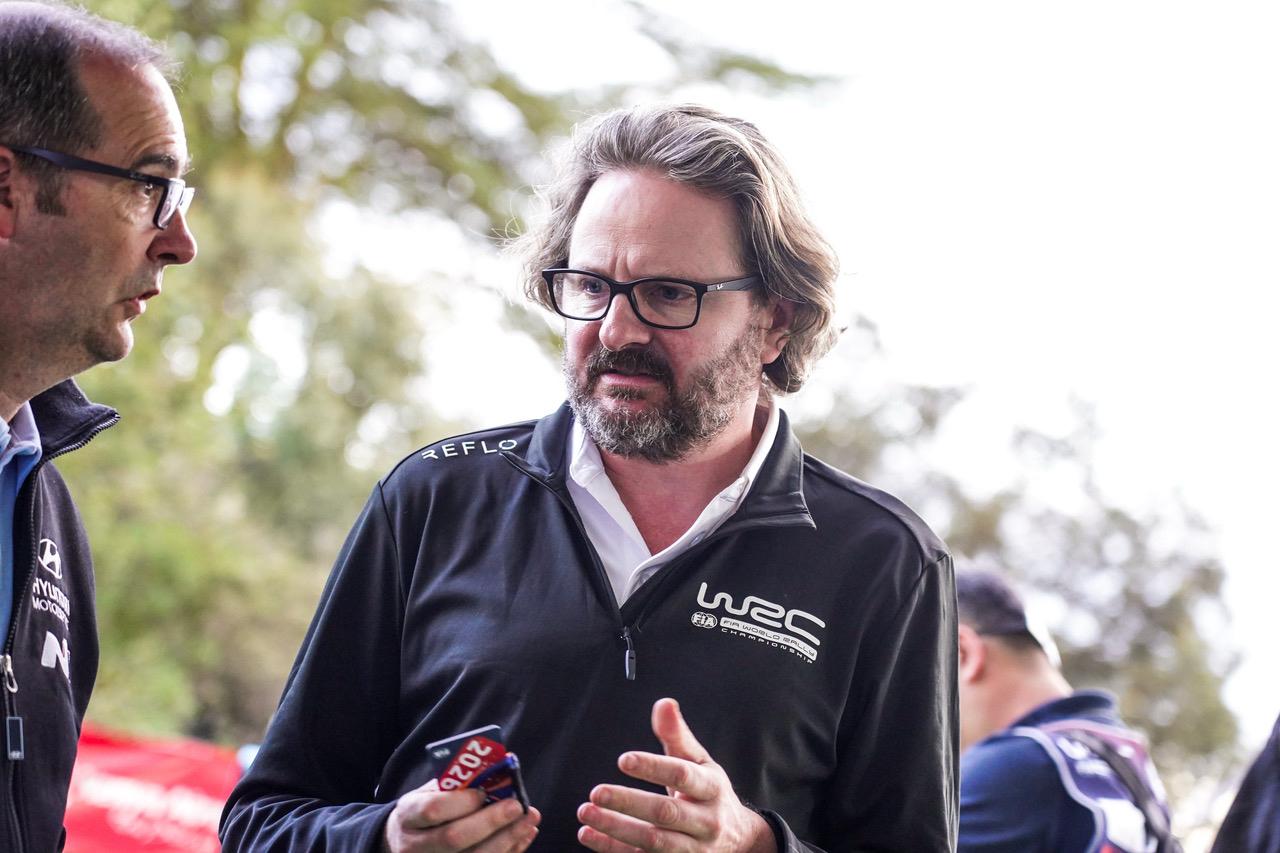
The FIA World Rally Championship (WRC) is shaping a future that carefully balances heritage with innovation, positioning itself as one of the most distinctive global motorsport series. In an exclusive interview with Simon Larkin, WRC Promoter and Senior Events Director, a clear vision emerged: rallying is not simply a sequence of races, but a collection of unique stories. Each event must carry its own identity, defined by landscape, terrain, and atmosphere. Unlike circuit based motorsport, rallying’s connection to natural environments from snow and gravel to tarmac creates a visual signature so strong that even brief footage can instantly reveal a rally’s location.
At the heart of this philosophy lies the preservation of iconic events such as Safari Rally Kenya, widely regarded as one of the championship’s most legendary rounds. Since its return in 2021, Safari Rally has reaffirmed its status through dramatic locations like Kedong, the Sleeping Warrior backdrop, and Hell’s Gate. These are not just stages but defining elements of the rally’s global identity. For WRC, maintaining such heritage events is essential, not only for historical value but for authenticity in a rapidly evolving sports landscape where true legacy is increasingly rare and difficult to build.
However, retaining a place on the WRC calendar requires more than history. Long term sustainability depends on strong collaboration between governments, private sector partners, and local organizers. In Kenya, there is a growing shift toward increased private sector involvement alongside continued government support. This model, backed by major sponsors including Safaricom, KCB Bank, CFAO, and Kenya Airways, is seen as a pathway to greater flexibility, commercial strength, and long term event growth. The promoter emphasized that while governments provide critical infrastructure and security, private partners often drive innovation and commercial viability.
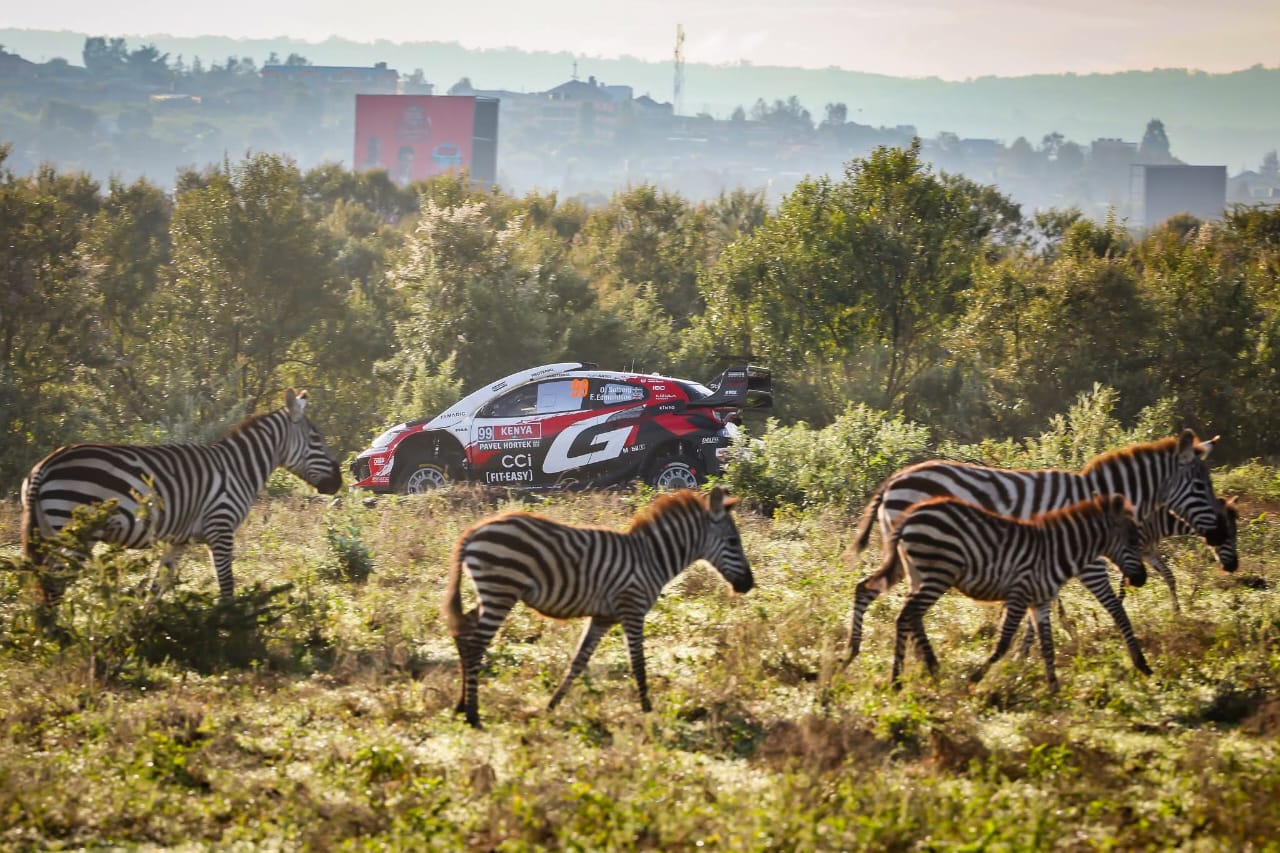
Beyond heritage, WRC is actively expanding into new markets while ensuring each addition brings distinct value. Recent and potential events in regions such as the Canary Islands, Paraguay, Saudi Arabia, and possibly the United States reflect a deliberate strategy to diversify the championship’s global footprint. At the same time, governance structures involving the FIA, manufacturers, and teams ensure that regulatory evolution balances performance, innovation, and cost control. Media accessibility has also become a central pillar, with the growth of Rally TV and enhanced on site experiences for journalists and digital creators helping to modernize how rallying is consumed and understood worldwide.
Looking ahead, 2027 is viewed as a pivotal moment, with new technical regulations and the potential entry of additional manufacturers signaling a fresh era. Sustainability remains a key priority, with WRC targeting carbon neutrality by 2040 and already leading motorsport through the use of sustainable fuels. Efforts extend beyond competition to include environmental management, fan mobility, and community impact. As WRC evaluates further global expansion, including a possible Rally USA, its guiding principle remains clear: growth must be meaningful. In this vision, events like Safari Rally Kenya are not just preserved—they are central to defining the championship’s future identity, where tradition, innovation, and storytelling move forward together.