
The Confederation of African Football (CAF) is entering a defining new era of linguistic, commercial and sporting transformation after adopting Kiswahili as its fifth official language, welcoming Coca-Cola back into its commercial sponsorship portfolio and preparing for a potentially historic ruling by the Court of Arbitration for Sport (CAS) over the disputed AFCON 2025 title. The landmark Kiswahili resolution was passed during CAF’s 48th Ordinary General Assembly in Abuja, Nigeria, on Saturday, November 21, 2026, following an overwhelming endorsement of a proposal presented by the Tanzania Football Federation (TFF). Kiswahili joins English, French, Arabic and Portuguese in CAF’s official linguistic framework, strengthening East Africa’s influence within continental football administration.
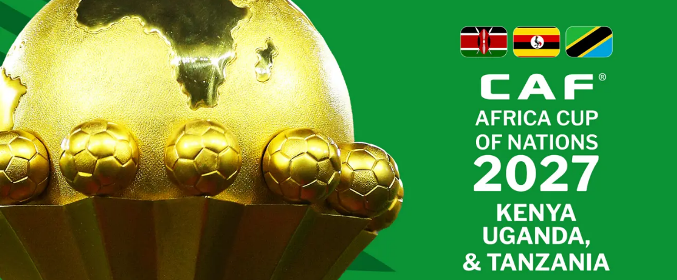
The adoption carries considerable regional significance, particularly after the Federation of Uganda Football Associations (FUFA) and Football Kenya Federation (FKF) formally backed Tanzania’s proposal through supporting letters. FUFA’s endorsement places Uganda among the key stakeholders behind the historic linguistic breakthrough, which will see Kiswahili incorporated into CAF’s official communications and administrative engagements. The decision comes as Uganda, Kenya and Tanzania intensify preparations to co-host the 2027 Africa Cup of Nations, creating an opportunity to elevate the region’s cultural identity and connect millions of Kiswahili-speaking football enthusiasts to the continental game.
Away from the administrative developments, CAF’s commercial landscape has received a major boost following Coca-Cola’s return as an Official Competition Sponsor of AFCON 2027 and the 2028 edition. The agreement, announced in Johannesburg on November 23, 2026, marks the beverage giant’s return to the continental football stage after almost 30 years. However, its arrival could trigger a significant sponsorship battle involving existing commercial interests in Uganda. Pepsi, which has a commercial association with the Uganda Cranes alongside Nirvana Water, could face restrictions on its tournament visibility if CAF’s sponsorship agreement provides Coca-Cola with exclusive beverage-category rights. Such provisions could affect Pepsi’s potential stadium advertising, promotional activations and branding opportunities during the tournament. Nevertheless, the extent of any restrictions will depend on CAF’s commercial guidelines and the specific contractual arrangements governing the competition.
For FUFA and Uganda’s commercial partners, the development presents an important challenge in navigating existing sponsorship relationships alongside CAF’s tournament-wide commercial framework. Coca-Cola’s sponsorship does not automatically prohibit competing brands from all stadium or team-related visibility, but category exclusivity could significantly limit Pepsi’s opportunities within official AFCON commercial spaces. The question now is how local partnerships, including Pepsi’s association with Nirvana Water and the Uganda Cranes, will coexist with CAF’s incoming commercial arrangements as the three host nations prepare to deliver AFCON Pamoja 2027.
Meanwhile, the spotlight shifts to the Court of Arbitration for Sport (CAS), which is scheduled to announce its highly anticipated decision on Tuesday, November 24, 2026, concerning the AFCON 2025 final dispute between Senegal and Morocco. Senegal is challenging CAF’s decision to overturn its 1–0 victory and award Morocco a 3–0 result, consequently recognising Morocco as champions. The ruling could determine the final destination of the continental crown and bring closure to one of African football’s most contentious legal disputes. With Kiswahili gaining official recognition, Coca-Cola strengthening its commercial footprint and the Senegal-Morocco controversy approaching a legal conclusion, CAF faces a defining moment as African football moves towards its next continental spectacle.