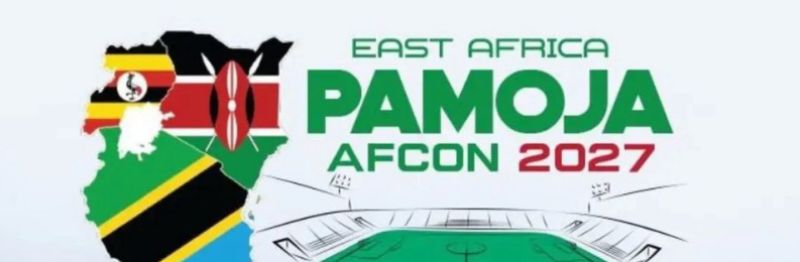
Kadiba Stadium has officially been handed over to the Government of Uganda for redevelopment into a CAF-certified training facility ahead of the 2027 Africa Cup of Nations (AFCON), which Uganda will co-host with Kenya and Tanzania. The handover marks another significant step in Uganda’s preparations to meet the tournament’s infrastructure demands while strengthening the country’s football facilities beyond the main competition venues.
In the presence and with the endorsement of the Minister of State for Sports, Hon. Peter Ogwang, FUFA President Eng. Moses Magogo formally handed over the facility to the National Council of Sports (NCS), which subsequently handed it to the UPDF Engineering Brigade for construction works. Col. James Lwegaba of the Engineering Brigade committed to commencing the Shs5.189 billion project immediately, with the scope covering installation of a new standardised playing surface, improvements to floodlighting, electrical works and ICT installations.
NCS General Secretary Dr Bernard Patrick Ogwel confirmed that all legal requirements for the transfer of the facility to government had been completed and that funding for the project had been secured in the current financial year. NCS Chairman Ambrose Tashobya, meanwhile, challenged the Engineering Brigade to complete the works ahead of the six-month contractual deadline, given the relatively limited scope of the redevelopment.
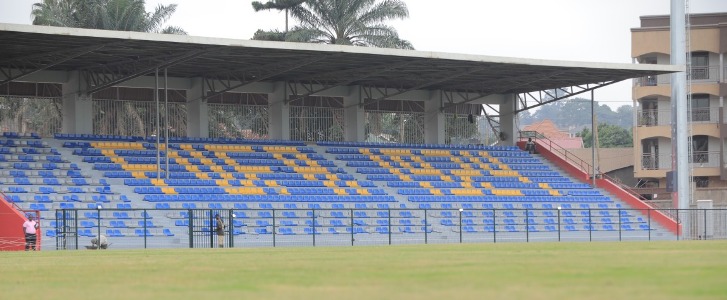
Kadiba is part of a wider nationwide infrastructure drive targeting AFCON 2027 readiness. Under the supervision of the Ministry of Works and Transport, the UPDF Engineering Brigade is also undertaking works at training grounds in Kyambogo, Makerere University, Hoima Boma Grounds, Masindi Grounds, Lira University, Gulu University and Pece Stadium. The developments are intended not only to satisfy CAF requirements but also to leave Uganda with a stronger football infrastructure legacy after the tournament.
FUFA President Magogo welcomed the government’s investment in major facilities including Mandela National Stadium, Hoima City Stadium and Akii-Bua Olympic Stadium in Lira, saying the projects will strengthen Uganda’s capacity to host international football. He also urged the government to extend the infrastructure programme to regional centres such as Mbarara, Jinja, Mbale and West Nile. Hon. Ogwang said those areas are already part of the government’s plans, subject to resolving land-ownership challenges, reaffirming that funding will be provided as Uganda pursues a broader strategy of using sports infrastructure to drive sports tourism, football development and economic growth.