

Uganda’s central bank governor, Michael Atingi-Ego, has cautioned that the proposed Protection of Sovereignty Bill 2026 could create serious economic risks if it limits foreign financial inflows. He told lawmakers that economic sovereignty depends on strong reserves, stable investment, and trusted institutions—not restrictions that isolate the economy.
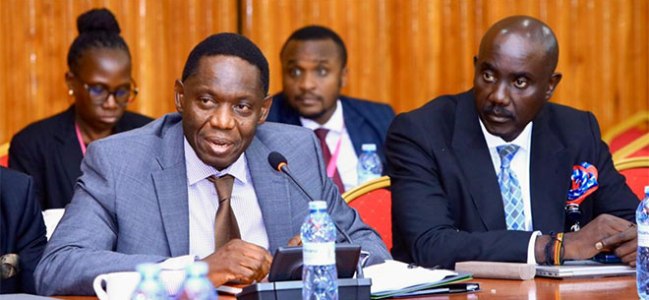
He explained that Uganda relies on money from abroad, such as foreign investment, remittances, and portfolio flows, to support its economy. Since the country imports more than it exports, these inflows help cover the gap. If the Bill reduces them, Uganda could face a shortage of foreign currency, putting pressure on the Ugandan shilling and pushing up the cost of imported goods.
The governor also warned that tighter controls on foreign funding and cross-border transactions could make business more expensive and less efficient. Investors may become cautious if rules are unclear or if access to economic information is restricted, which could increase borrowing costs and reduce overall investment.

Institutional concerns were also raised, particularly the risk of weakening the independence of the central bank if new oversight bodies are introduced. In addition, Ugandans living abroad—who send significant remittances—may lose confidence if the law creates barriers or uncertainty around their financial contributions.
Experiences from countries like Russia, Hungary, and India show that such controls can reduce investment and slow economic activity, while Georgia abandoned similar plans due to economic concerns. The key challenge for Uganda is to protect national interests without discouraging the financial flows that support growth and stability.
Courtesy Photo