
Behind every World Rally Championship event is a complex operation that spectators rarely see while drivers battle against the clock on narrow gravel stages, organisers are simultaneously managing safety, spectators, road preparation, television schedules, media activities, technical procedures, traffic and dozens of other moving parts.
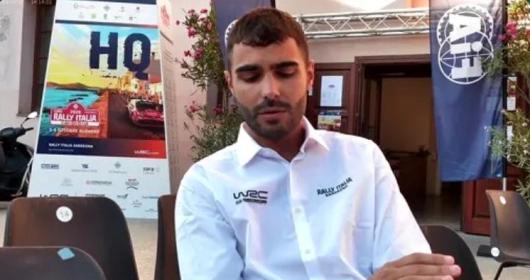
At Rally Italia Sardegna, that responsibility falls heavily on the shoulders of the organisational team, speaking exclusively to Zaabu Sports in Alghero Italy, Edoardo Di Lauro, Chief of Organisation of Rally Italia Sardegna, offered a behind-the-scenes look at what it takes to deliver a modern WRC event and why the challenge is becoming increasingly demanding.
For Di Lauro, the starting point is simple: prepare before problems happen.
“The key is trying to prevent rather than react, but also to be ready to react.”
One of the major challenges facing the Sardinia organisers is the nature of the rally itself. The stages run through territories managed by forest authorities, meaning that organising the event involves a complicated authorisation process before the competition can even begin.
According to Di Lauro, this requires significant preparation, particularly when it comes to the roads.
“You have to invest a lot in your road preparation, especially as it is now with WRC cars getting faster and faster with Rally1.”
The increased performance of the cars means that road preparation can no longer be treated as a secondary part of the organisation.
Di Lauro explained that the level of road preparation had already been significantly increased in the previous edition, reflecting the demands of modern rallying though the challenge is not only about the cars, one of the biggest organisational issues this year was the sheer number of spectators. Rally Italia Sardegna experienced a dramatic increase in attendance, bringing new pressure on the organisers to manage traffic, spectator movement and behaviour around the stages,
Di Lauro described spectator management as one of the key elements of the event.
“We had probably ten times the public of the past editions.” With that growth comes a greater responsibility to make sure spectators can enjoy the rally safely.
The organisation has to manage not only the movement of people and vehicles, but also the relationship between spectators and officials.
Di Lauro highlighted the different responsibilities of the personnel working along the stages, explaining that marshals handle the sporting side while stewards focus on safety.
That distinction becomes particularly important when thousands of spectators are concentrated around a limited number of access points and viewing areas.
From the outside, a WRC event can appear relatively straightforward: cars start, compete against the clock and return to service, but Di Lauro’s explanation revealed just how much is happening simultaneously behind the scenes.
The sporting schedule has to work alongside live television requirements, with certain stages scheduled around specific broadcast windows.
At the same time, organisers must coordinate media activities, the media centre, media zones, scrutineering and other technical procedures.
“It is much more complex than a normal event, but yeah, this is something which is normal in a World Rally Championship event.”
That complexity is part of what makes organising a WRC round so demanding. Every department has to operate within the same timetable, while remaining flexible enough to react when circumstances change.
This year’s edition carried additional significance beyond the competition itself.
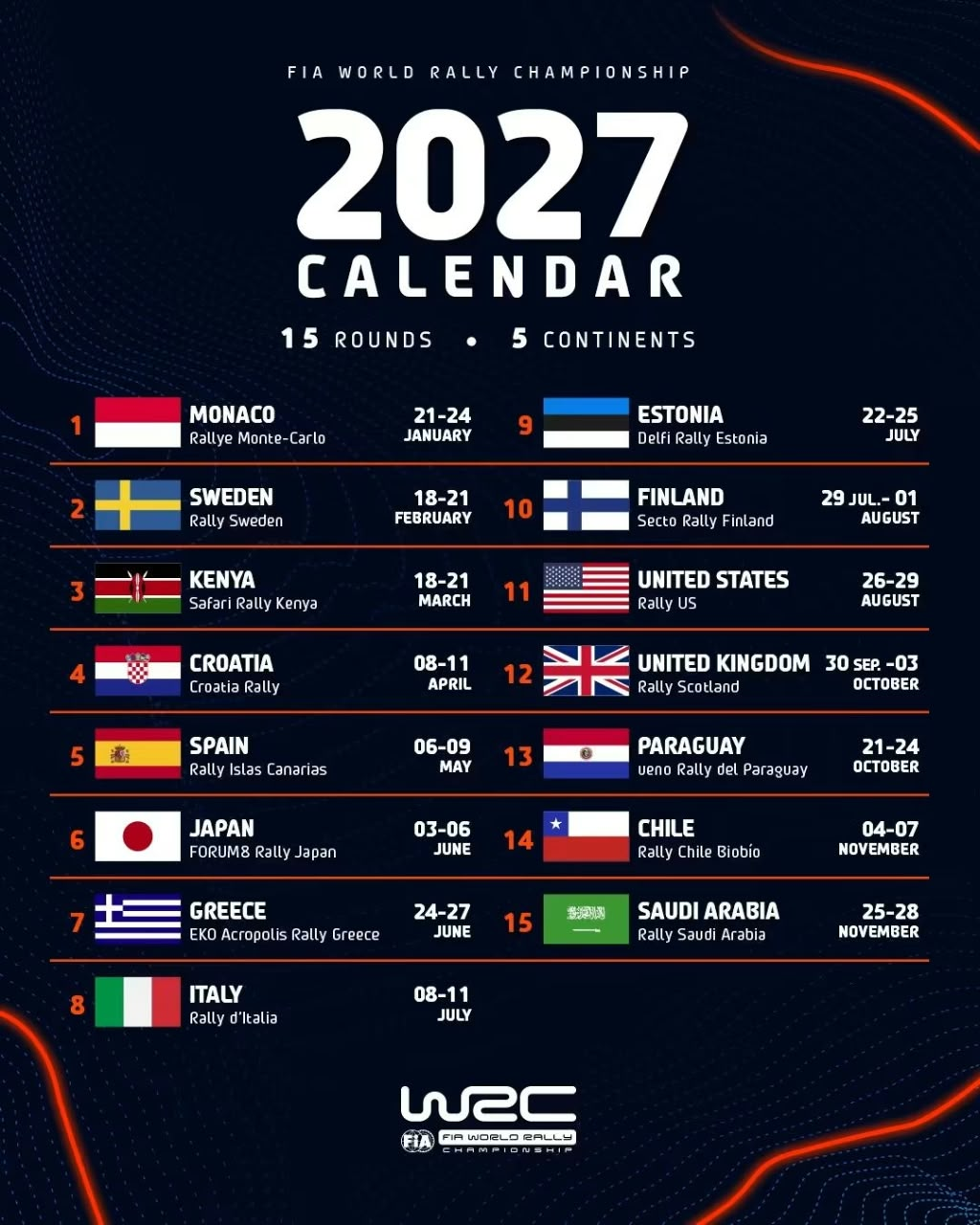
According to Di Lauro, it was the first European event of the new promoter ownership, giving the Sardinian round added importance. The event also required a complete redesign of the service park, while the return of a manufacturer to the championship brought additional pressure through increased PR, VIP and promotional activities. Thursday, in particular, featured what Di Lauro described as an extremely dense schedule of PR activities. For the organisational team, this created pressure but also an opportunity.
“It is a big pressure for the team, a big effort in adaptability from the team, but it’s also a big opportunity.”
For Di Lauro, that opportunity goes beyond the rally itself, it is also about learning how to deliver an event that continues to evolve with the championship.
More than €80 million for Sardinia
One of the strongest arguments for the importance of the rally to the island is its economic and promotional impact. Di Lauro said Rally Italia Sardegna has generated more than €80 million in direct and indirect income and visibility for Sardinia. This figure highlights why the event matters not only to motorsport fans but also to government, local authorities, tourism and the wider community. Sardinia’s government and the city of Alghero have provided significant support to the event, and Di Lauro believes the rally has left something behind for people beyond those directly involved in motorsport.
“This event has left something to the people, both to the fans and also to the people who are not involved.”
That wider impact may become even more important as the championship looks towards its next chapter.
With the future of Rally Italia Sardegna uncertain, Di Lauro believes the event has demonstrated both what has been achieved and what still needs to improve.
1. Technology has advanced, but he believes the next step must include stronger investment in people, staffing and training.
2. Promotion and communication are also areas where he sees room for growth, the ambition is to turn Alghero into a rally destination throughout the entire week not simply a place people visit when the cars enter the stages.
“We need to get to the people who are actually not even interested, informed about the rally. We have to improve advertising. We have to communicate better.” That, ultimately, may be one of the biggest lessons from Sardinia.
A modern WRC event is no longer only about what happens between the start and finish lines. It is about creating an experience that connects the championship with the host community. Di Lauro’s message to potential visitors was therefore simple: “This is an event that needs to be lived.”
And for those who have experienced the unique atmosphere of Rally Italia Sardegna first-hand, that may be the most fitting description of the event—a rally that extends far beyond the stages, bringing together sport, people, tourism, technology and the wider community of Alghero.