
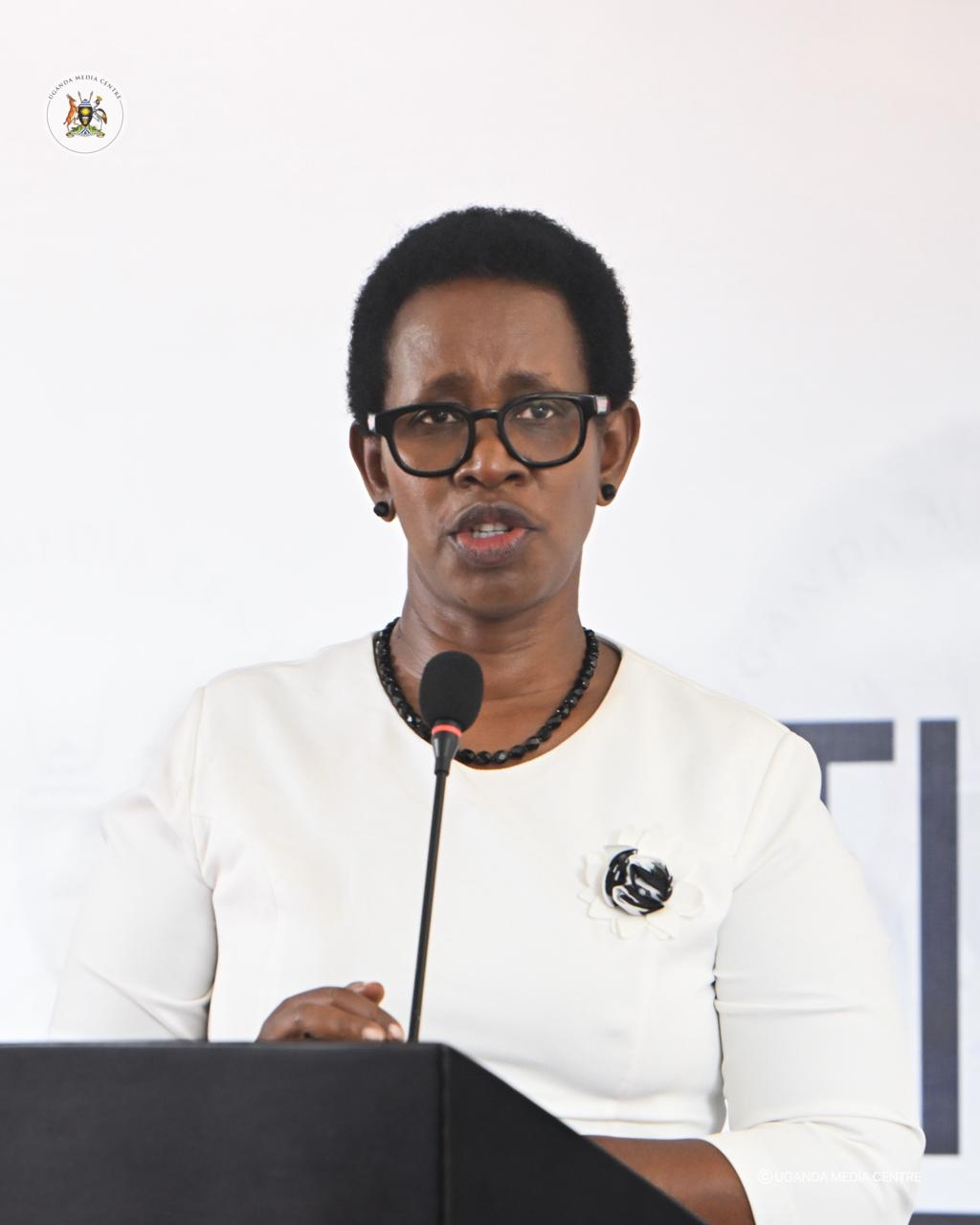
Uganda’s HIV story is increasingly becoming a story of treatment success—but the country’s next breakthrough may depend on finding the people who still do not know they are infected. Preliminary findings from the 2025 Uganda Population-based HIV Impact Assessment (UPHIA 2025), released Thursday by Health Minister Dr Chris Baryomunsi, show that HIV prevalence among adults aged 15 and above remains at 5.9 percent, translating to approximately 1.496 million people living with HIV, while major gains have been recorded in treatment and viral suppression.
The survey found that 85.3 percent of adults living with HIV know their status, 99.1 percent of those aware are receiving antiretroviral treatment, and 96.5 percent of those on treatment have suppressed the virus. Overall viral-load suppression among all adults living with HIV reached 86 percent, up sharply from 75.4 percent in the 2020 assessment. The figures place Uganda within reach of the treatment and suppression ambitions of the global 95-95-95 framework, although the first 95—knowing one’s status—remains the most significant gap.
Beneath the national averages, however, lies a more complicated map. HIV prevalence varies substantially across Uganda’s regions, from 1.3 percent in Karamoja to 8.0 percent in the South-Western region. Young people also emerge as a critical pressure point: HIV prevalence among those aged 15–24 was 1.5 percent, but prevalence among 20–24-year-olds was substantially higher than among adolescents aged 15–19. The survey also identified lower viral-load suppression among younger people living with HIV, reinforcing the need for earlier prevention, testing, treatment and sustained support, particularly among adolescent girls and young women.
UPHIA 2025 also widens the health conversation beyond HIV. The nationally representative survey found elevated blood pressure among 15.5 percent of participants aged 15 and above, while 24.8 percent were overweight or obese and 0.9 percent had elevated blood glucose. Conducted between July and September 2025, the survey achieved participation from 94.4 percent of eligible households, with HIV testing completed for more than 97 percent of interviewed women and men. Government says the evidence will increasingly be used to integrate HIV services with primary healthcare and the management of chronic conditions such as hypertension and diabetes.
The headline from Uganda’s latest HIV assessment is therefore neither victory nor defeat—it is direction. The country has demonstrated that treatment can suppress the virus at scale; the harder assignment is ensuring that those still outside the diagnostic net are reached before the gap widens. As the final UPHIA 2025 report brings additional data on new infections, programme coverage and behavioural indicators, Uganda enters its next phase with a sharper question before it: how quickly can a strong treatment system become an equally powerful system for finding, preventing and stopping new infections?