
As the world turns its attention to the 2026 FIFA World Cup in the United States, Canada and Mexico, Africa will be represented not only by its football stars but also by an elite group of match officials trusted to manage the game’s biggest moments. Yet among the continent’s success stories emerge two compelling East African narratives that reveal the sacrifices, resilience and often-overlooked achievements behind the whistle. Somalia’s Omar Abdulkadir Artan and Uganda’s Shamirah Nabadda have become symbols of excellence in African officiating, but while one saw a historic World Cup dream slip away at the final hurdle, the other continues to carry her country’s flag on the international stage with far less recognition than her achievements deserve.
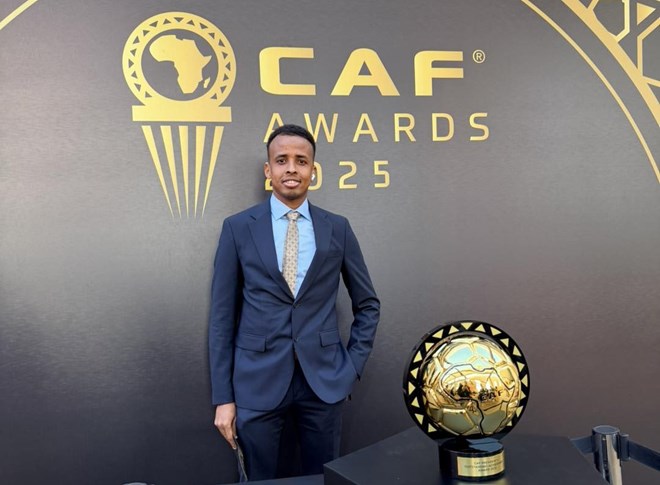
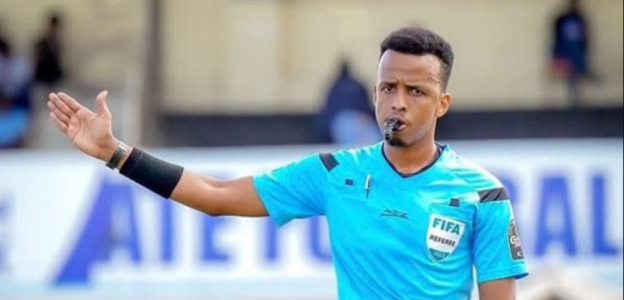
Artan’s rise from Somalia’s football landscape to the pinnacle of global officiating ranks among African football’s most inspiring journeys. His performances in CAF competitions, AFCON tournaments, FIFA World Cup qualifiers and the CAF Champions League final between Pyramids FC and Mamelodi Sundowns earned him a reputation for authority, composure and consistency. In 2025, CAF crowned him Referee of the Year, cementing his status among Africa’s elite. His appointment as the first Somali referee selected for a FIFA World Cup was expected to be a defining moment for both his career and Somali football. Instead, visa challenges and his subsequent denial of entry into the United States transformed a historic breakthrough into one of the tournament’s most unfortunate stories, denying Somalia a long-awaited place among football’s most prestigious officiating ranks.
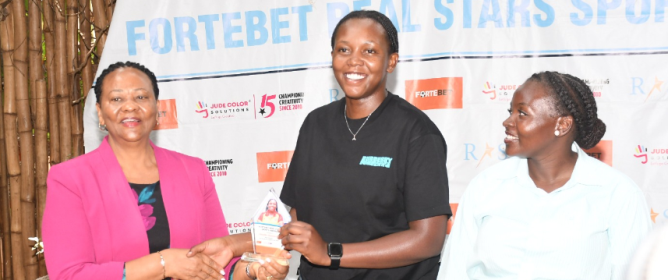
While Artan’s setback attracted international attention, Uganda’s Shamirah Nabadda has quietly built a legacy that deserves equal admiration. Widely regarded as one of East Africa’s finest assistant referees, Nabadda has earned appointments to major CAF and FIFA competitions through years of excellence, professionalism and unwavering dedication. Her presence at elite continental and international tournaments has elevated Uganda’s profile within global football officiating while inspiring countless young women to pursue careers in sport. Yet much of her success unfolded during a period when Uganda’s public attention was largely consumed by a highly charged political season, leaving one of the country’s most accomplished sporting ambassadors without the level of national recognition that often accompanies achievements of such magnitude.
The significance of their journeys becomes even greater when viewed alongside Africa’s strongest-ever World Cup officiating contingent. FIFA selected 19 African match officials for the 2026 tournament, including seven referees: Mustapha Ghorbal of Algeria, Amin Mohamed Omar of Egypt, Pierre Ghislain Atcho of Gabon, Dahane Beida of Mauritania, Jalal Jayed of Morocco, Abongile Tom of South Africa and Omar Artan of Somalia. Leading the group is Ghorbal, a veteran of the 2022 FIFA World Cup and one of the continent’s most respected officials. Alongside him are some of Africa’s most accomplished referees, whose careers have been forged through AFCON finals, CAF Champions League showdowns, Club World Cup assignments and some of the most demanding fixtures in international football.
Beyond whistles, cards and match reports, the stories of Omar Artan and Shamirah Nabadda highlight the human side of officiating at the highest level. One became the first Somali referee ever selected for a FIFA World Cup, only to watch that dream halted beyond the touchline. The other helped place Ugandan officiating on the global map while continuing to excel away from the spotlight. Together, they embody the determination, professionalism and resilience that define African football officiating today. Their journeys remind us that some of the sport’s most remarkable achievements are not always measured by goals scored or trophies won, but by barriers broken, histories made and paths created for future generations.