
From Kenya’s decades-old Guru Nanak Rally to Tanzania’s growing Guru Nanak–Asas Rally of Arusha event, East Africa offers a compelling lesson in how community, sponsorship and motorsport heritage can come together. Following the 2026 Rajiv Ruparelia Memorial Rally in Gulu, could Uganda be building its own lasting tradition?
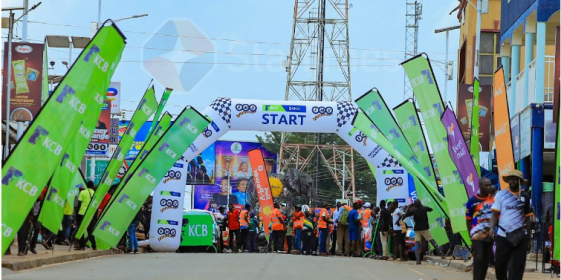
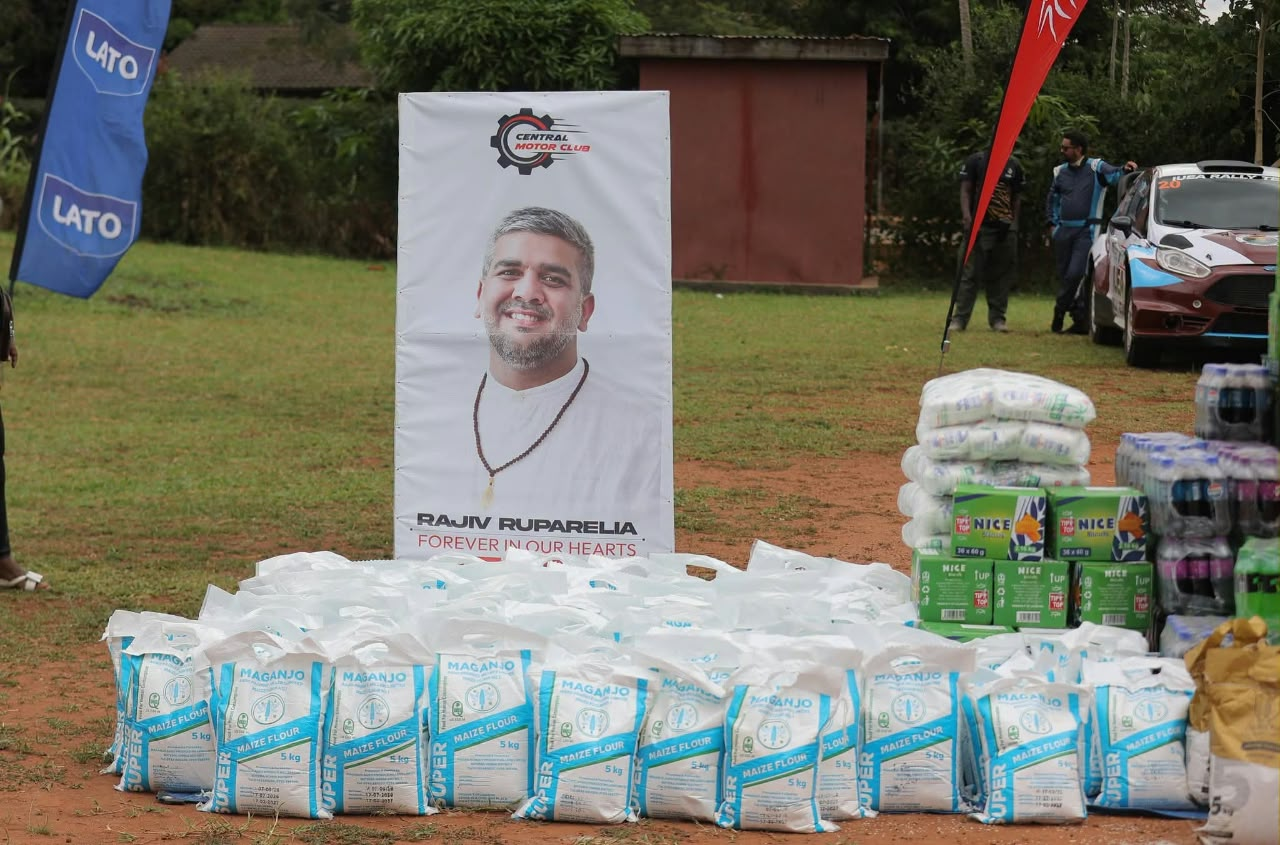
There are rallies that are remembered for who won, those remembered for the battles on the stages, and those that become bigger than the competition itself. In Gulu, northern Uganda, the October 2026 Rajiv Ruparelia Memorial Rally offered a powerful reminder that motorsport can be about all three: competition, community and the legacy of someone whose life was closely connected to the sport. Organised by the Central Motor Club (CMC), the event brought the National Rally Championship to Gulu in memory of Rajiv Ruparelia, the businessman, rally driver and former club patron who died in a road crash on May 3, 2025, aged 35. His involvement in Ugandan motorsport began in 2019, and his contribution to CMC helped strengthen the club’s ambitions, including taking rallying beyond Kampala and the memorial initiative was also intended to extend his charitable legacy into the host community.
But beyond the emotional significance of the occasion, Gulu raises an intriguing regional question: Could Uganda develop a rallying tradition comparable to Kenya’s Guru Nanak Rally and Tanzania’s Guru Nanak Rally? The comparison is worth exploring, not because the events share the same name or origin, but because they demonstrate how motorsport can become embedded in a community’s identity and sustained across generations.
Guru Nanak: A rally built on decades of history
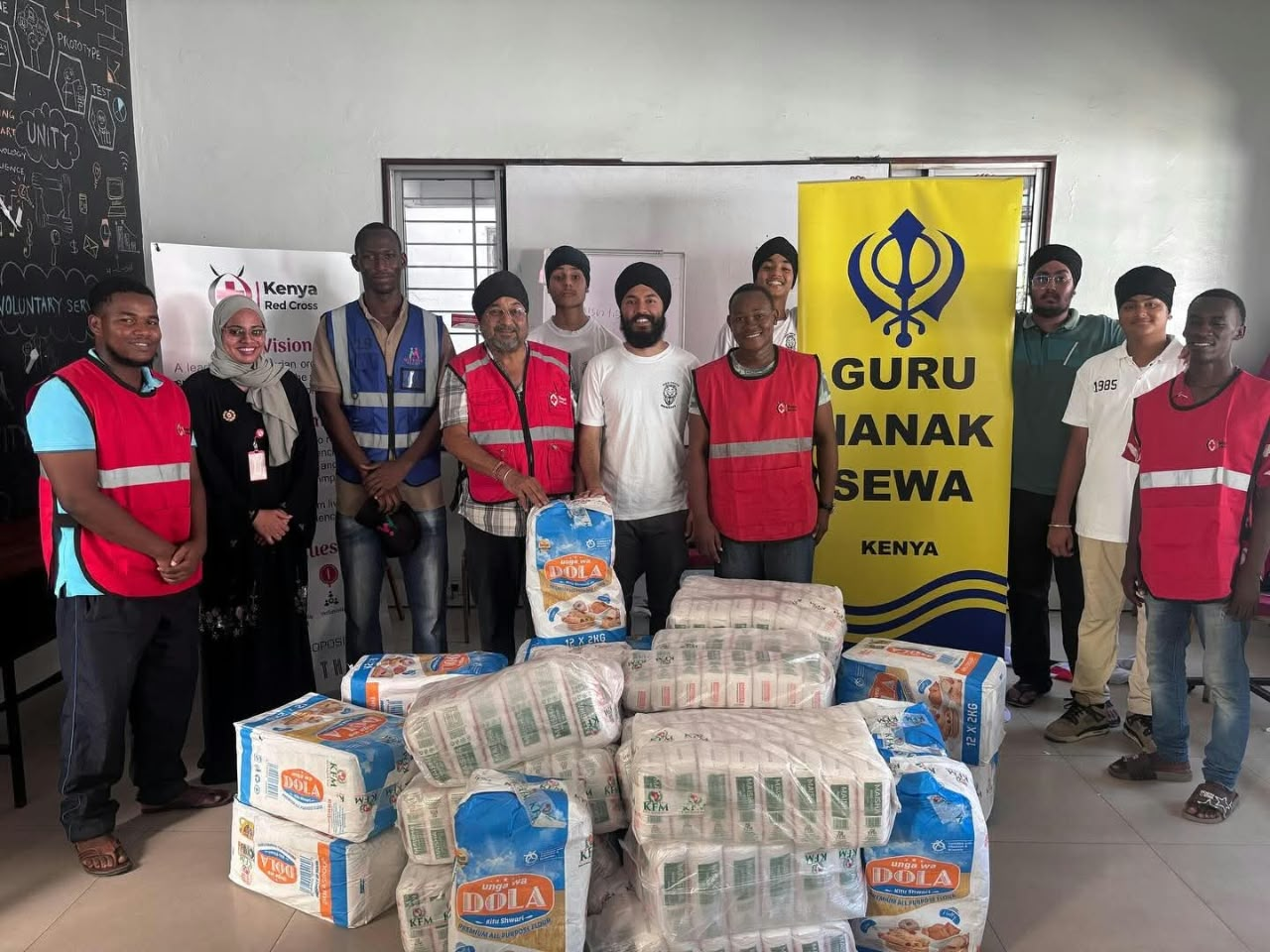
In Kenya, the Guru Nanak Rally is closely associated with the Sikh Union Club in Nairobi and the country’s wider motorsport heritage.
The event dates to 1973, according to historical rally records and reporting on the Sikh Union Club’s long sporting history. Over the decades, it has featured prominent Kenyan competitors and become a familiar fixture on the national rally calendar, with some editions also carrying significance for the African Rally Championship. Its name reflects its association with the Sikh community and Guru Nanak, the founder of Sikhism. The rally’s history is part of a wider story of a community sporting institution contributing to Kenya’s competitive motorsport landscape.
The event’s record of past winners illustrates how much the sport has evolved. Early editions featured crews in cars such as the Mercedes-Benz and Mazda, while later years saw machines including the Toyota Celica, Subaru Impreza and Mitsubishi Lancer. The competition has also provided a stage for generations of Kenyan rally drivers. The Sikh Union Club’s broader sporting history is equally significant. Established in Nairobi in 1926, the institution has contributed to sports including hockey and cricket, while its connection to rallying has continued for decades and wider role in community sport and development.
This is an important distinction: Guru Nanak is not merely a rally carrying a religious or cultural name. It is an event with a long-standing institutional home and a history that connects a community to the sport. Corporate and community support have helped sustain the competition. Yet its longevity cannot be attributed to sponsorship alone; the club, organisers, competitors, volunteers and motorsport structures are also part of the story.
Tanzania: The Guru Nanak tradition finds another home
Tanzania presents a related but distinct example. The Guru Nanak Asas Rally in Arusha is associated with the Arusha Motor Sports Club (AMSC) and has become part of Tanzania’s national rallying calendar. Its history has also been shaped by individual motorsport enthusiasts who invested their time, resources and networks in growing the sport.
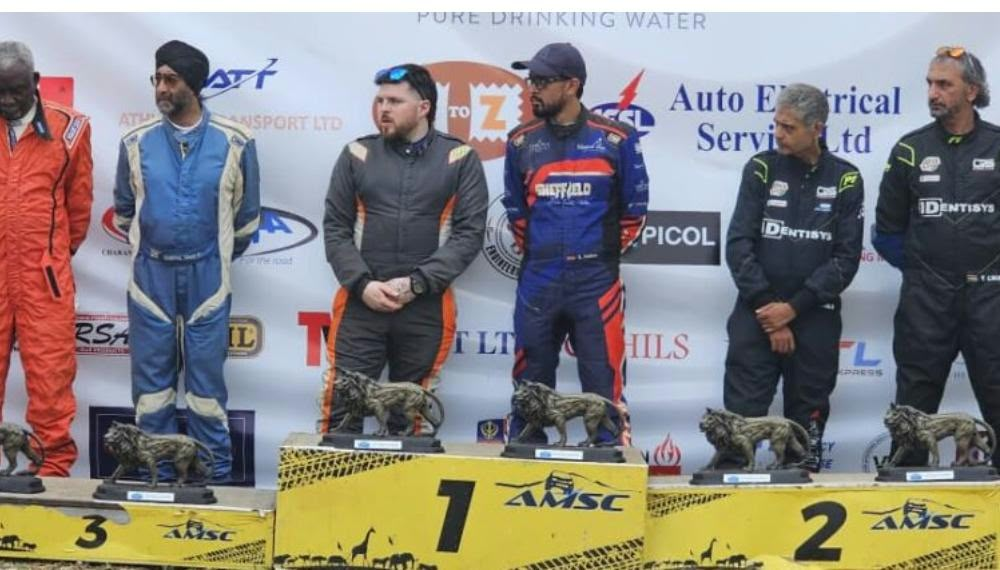
One of those figures was Amerjit Singh Dhillon, widely credited with founding the Arusha Guru Nanak Rally. Following his death in June 2026, tributes from Tanzania’s motorsport community highlighted his contribution to the sport, including supporting young drivers and providing facilities that helped competitors participate in rallies. That history matters because it shows how a sporting event can acquire significance through the people who build it, not just the institution or name attached to it.
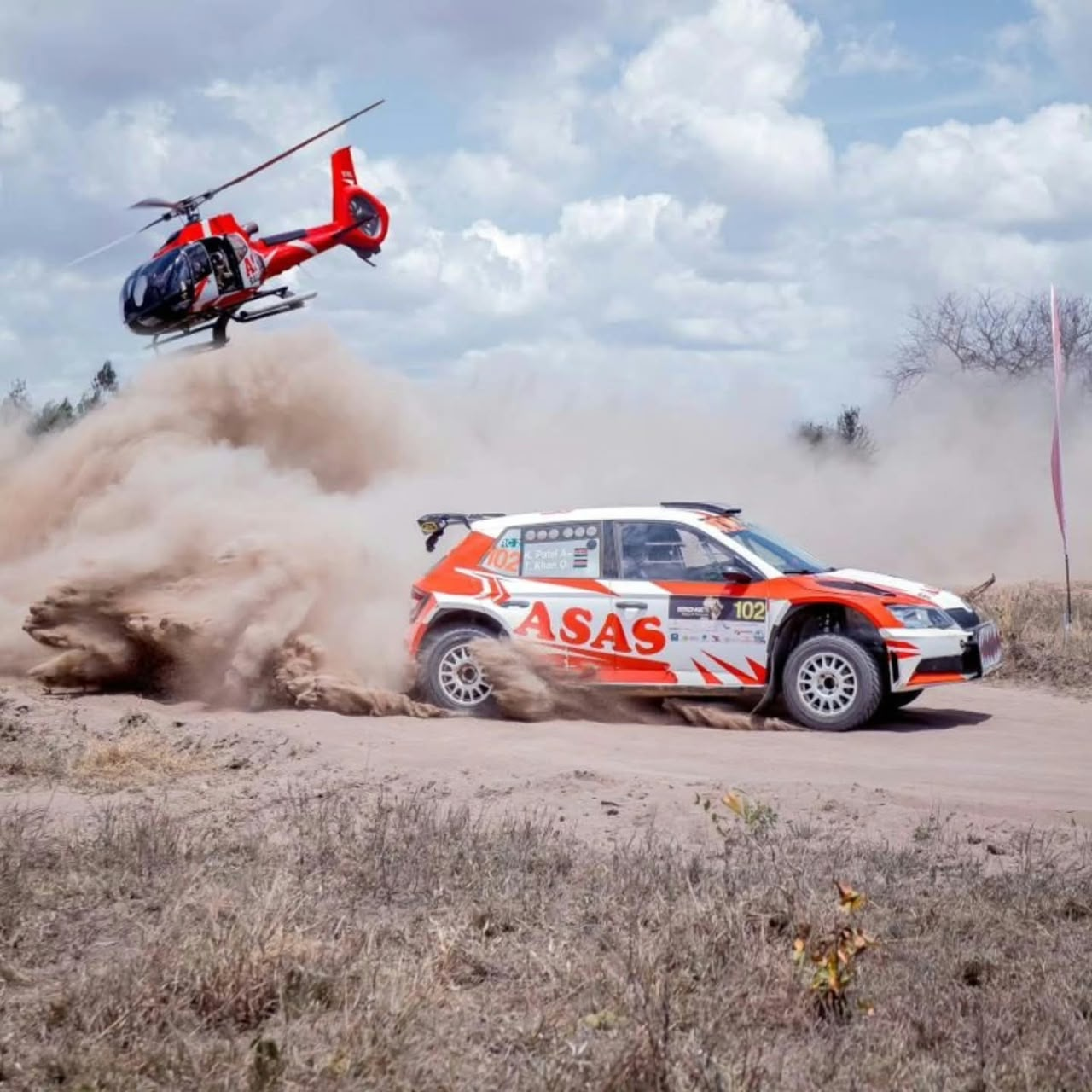
The rally also demonstrates the importance of partnerships. At the January 2026 Guru Nanak–Mkwawa Rally in Arusha, organisers brought together several supporters, including Azam Media, NSK Hospital, Sikh Union, A-to-Z Textiles and Milkha Singh. The Mkwawa name reflected a title-sponsorship arrangement, The event attracted 17 cars over 145 competitive kilometres. Kenyan crews also featured prominently. Samman Vohra and British co-driver Drew Sturrock won the January 2026 edition in a Skoda Fabia Evo, while Jasmeet Chana and Ravi Chana finished second. Arusha’s Gurpal Singh Sandhu and Dave Sihoka took third. The next edition is scheduled for November 14–15, 2026, in Makuyuni, Arusha Region, with organisers expecting at least 25 entries.
The Kenyan and Tanzanian events should not be treated as one identical institution. They have different organisers and histories, even though the Guru Nanak name and connections within the Sikh community link their identities. What they share is a valuable lesson: rallying can be sustained by people and organisations willing to build continuity around an event.
Gulu: More than a memorial
Uganda’s story is different, but it deserves its own place in this regional conversation.
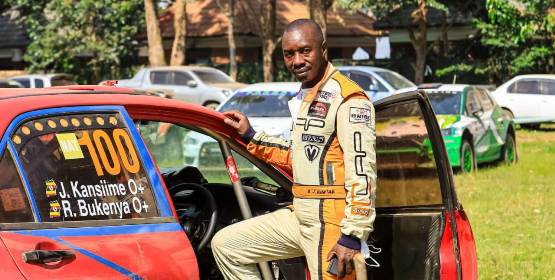
Rajiv Ruparelia was not simply a businessman whose name was later attached to a sporting event. He was an active competitor, a motorsport enthusiast and a patron of CMC. He began competing in 2019 and recorded victories in local events, including the 2019 Kayunga and Kapeeka autocross competitions, as well as the 2021 Kabalega Rally, his death left a gap in Uganda’s motorsport community, but the memorial rally has provided a way to recognise his contribution while continuing the sport he loved.
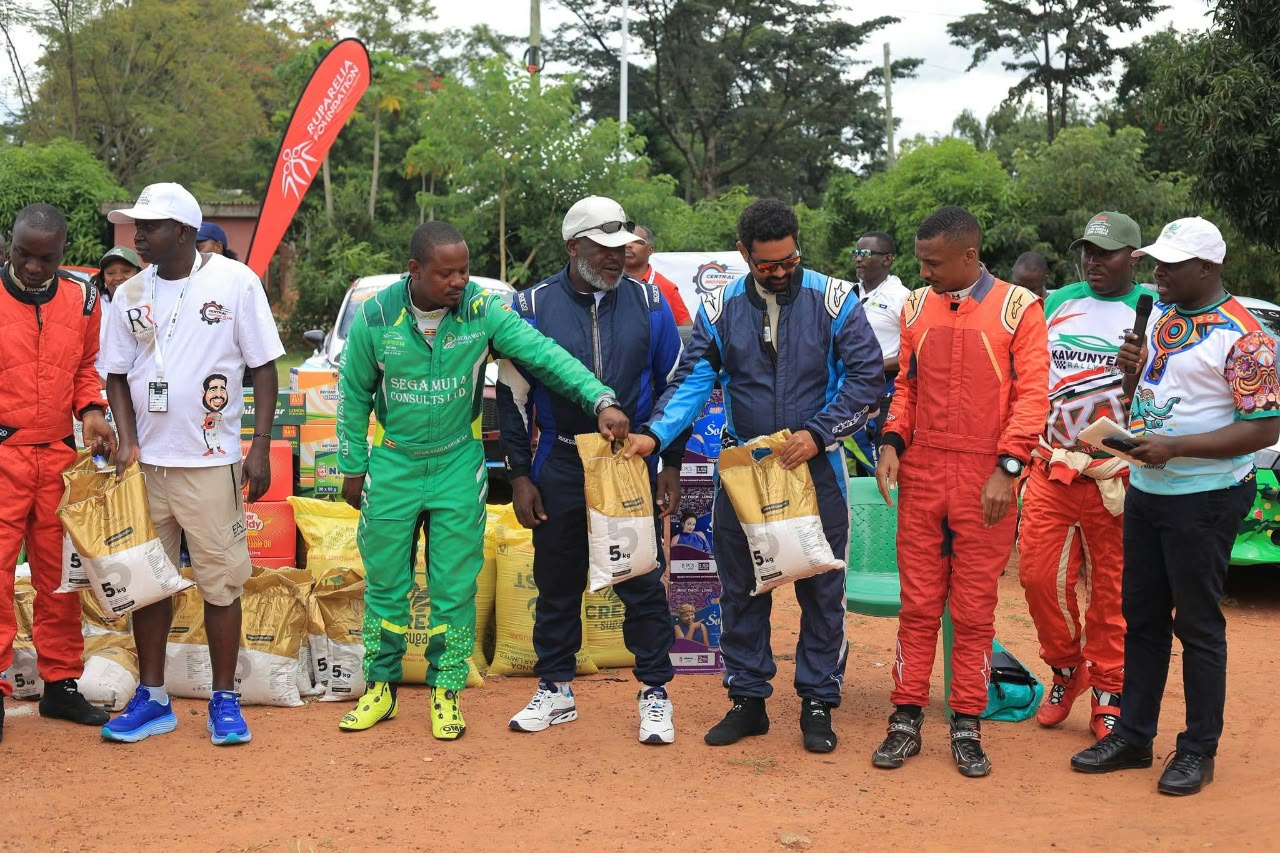
The 2026 event, held from October 8 to 10, attracted 32 crews with competition spread across the greater Gulu region. The programme combined rallying with Uganda’s Independence Day celebrations and a community-support initiative. CMC and the Ruparelia Foundation also supported the Gulu Disabled Persons Union with essential household supplies, included food and household items delivered as part of the effort to honour Rajiv’s charitable legacy, that community element is particularly important.
A rally brings cars, drivers, mechanics, officials, sponsors, media and spectators into a host area. When the event also supports local communities, its footprint extends beyond the stages and service park. It creates an opportunity for motorsport to connect with people who may not otherwise have direct contact with the sport.
For Gulu, the memorial was therefore both a competitive sporting occasion and a tribute with a social purpose.
The Ruparelia connection: What sponsorship can make possible
The Ruparelia Group and the Ruparelia Foundation are central to the wider context surrounding Rajiv’s memorial.
The family’s business presence, its charitable activities and Rajiv’s relationship with CMC have helped give the commemoration a wider platform. The event also illustrates how private-sector backing and foundation-led initiatives can support a motorsport competition while enabling activities that benefit a host community. It is tempting to compare this with the Sikh community’s long-standing involvement in the Guru Nanak Rally in Kenya and Tanzania. There is a useful parallel here, but it needs to be drawn carefully.
The Guru Nanak events grew from particular community and sporting histories. The Rajiv Ruparelia Memorial Rally is rooted in the life of a Ugandan competitor, his club, his family and the community initiatives associated with his memory, their origins are not interchangeable. Nor does the available evidence establish that the Guru Nanak events directly inspired the Gulu memorial.
What the examples do show is that motorsport can thrive when there is a committed organising structure, reliable partnerships, a recognisable identity and a reason for people to return year after year. Sponsorship can help provide the resources required for routes, safety, logistics, media coverage and spectator experiences. Long-term success, however, also depends on governance, technical standards, competitor participation, public trust and continuity.
The real question is not simply who funds a rally. It is what that support enables the sport to build. The Rajiv Ruparelia Memorial Rally already has its own identity, purpose and history.
A more compelling proposition is to ask whether the memorial can become Uganda’s own enduring motorsport tradition: an event recognised for its competitive value, its connection to Rajiv’s legacy, its charitable contribution and its ability to bring rallying to communities beyond the capital.
There is already a foundation on which to build. CMC has taken the rally to Gulu, and the memorial has brought together competition and community outreach. Maintaining that momentum would require the club, the family and foundation, sponsors, the Federation of Motorsport Clubs of Uganda and other stakeholders to consider how the event can be strengthened over time, could the memorial become an annual fixture with a clearly documented history, growing participation, stronger youth involvement and a lasting community programme? Could it attract regional crews and visitors while preserving its Ugandan identity? Could each edition leave the host area with benefits beyond the excitement of rally weekend?
Those are questions worth asking now, while the emotion and public attention surrounding the event remain strong.
A regional lesson, a Ugandan opportunity
Kenya’s Guru Nanak Rally has a history stretching back to 1973. Tanzania’s event demonstrates how a rally can continue through the work of local organisers, enthusiasts and sponsors, even as its format and partnerships evolve. The Rajiv Ruparelia Memorial Rally has something distinctive of its own: a local motorsport figure whose contribution is being remembered through competition, alongside a commitment to community support.
That gives Uganda an opportunity to build a tradition that future generations of drivers, mechanics, officials, journalists and spectators can recognise as part of the country’s own sporting heritage. For those who followed the Gulu stages, the rally was a reminder of a driver and patron whose presence is missed. For the sport, it can also be a starting point for a broader conversation about what makes a rally last.
The finish line may determine the winner of a rally. What happens beyond it can determine the legacy of an event and perhaps that is the most important lesson from Guru Nanak in Kenya and Tanzania: not that Uganda should create another Guru Nanak, but that it can build a memorial rally whose identity, community value and motorsport heritage become increasingly meaningful with every edition.
Rajiv Ruparelia’s name already gives the event a story. The challenge now is to build a tradition worthy of carrying it forward.
Courtesy Photo