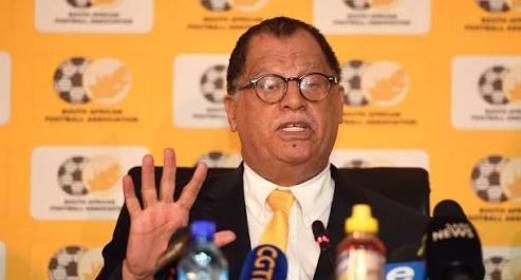

FIFA President Gianni Infantino has abandoned a controversial plan to open the commercial interests of the World Cup and other major FIFA competitions to private investors, following intense opposition from football authorities across the world.
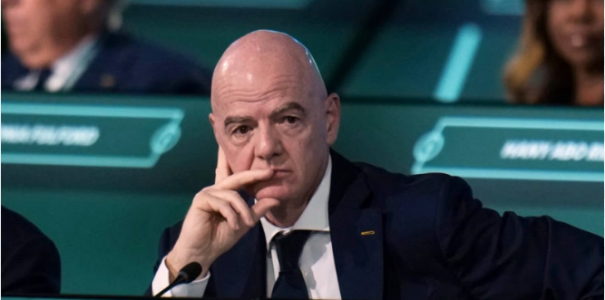
The dramatic U-turn comes just days after UEFA and all its 55 national associations unanimously rejected the proposal and threatened to boycott FIFA competitions for as long as the plan remained on the table. FIFA has now confirmed that the proposal will not proceed, Infantino said the decision followed extensive reactions from football stakeholders, acknowledging that the project had created divisions that were no longer compatible with FIFA’s stated objective of uniting and developing the game.
The controversy centred on FIFA Forward Enterprise (FFE), a proposed FIFA-owned commercial subsidiary intended to consolidate FIFA’s commercial and event operations, when FIFA announced the initiative on July 28, it presented the project as a way of dramatically increasing football development funding across its 211 member associations. FIFA said the model could make more than US$10 billion available for football development over future funding cycles, while insisting that FIFA would retain control over football governance, competitions, the international calendar and sporting decisions, however, the proposal quickly became a major governance issue.

Reports indicated that private investors would be offered a minority stake connected to FIFA’s commercial operations and revenues from major competitions, including the World Cup. The prospect immediately triggered concerns over whether football’s biggest competitions could become increasingly influenced by commercial and investment interests.
UEFA’s response was unprecedented.
On July 30, European football’s governing body announced that its 55 national associations stood united against the proposal. UEFA argued that the World Cup is a global sporting legacy rather than an investment product and warned against allowing private investors to acquire ownership interests in FIFA competitions. UEFA’s strongest weapon was its threat to withdraw European national teams from FIFA competitions.
The organisation said no UEFA national team would participate in any FIFA competition while the proposal remained alive, unless FIFA abandoned it completely and provided binding assurances that private ownership would not again be introduced into FIFA’s governance or competitions, that threat immediately raised the stakes. A boycott involving Europe’s national teams could have fundamentally disrupted the global football calendar and placed future FIFA tournaments under extraordinary pressure.
Pressure spreads beyond Europe
UEFA was not alone in raising concerns, the Asian Football Confederation and Concacaf also expressed reservations about the proposal and the process surrounding it, although they did not go as far as UEFA’s boycott threat. Football Australia subsequently welcomed FIFA’s decision to abandon the plan, stressing the importance of integrity, independence, good governance, transparency and proper consultation. The growing resistance demonstrated that the dispute was no longer simply a disagreement between UEFA and FIFA. It had become a wider debate over how the global game should be governed and financed.
After initially defending the initiative, FIFA has now reversed course. Infantino said FIFA’s purpose has always been to unite and improve football and concluded that, after listening to the various positions, the project had created divisions that were no longer in the interests of those objectives.
“As a result, this proposal will not proceed,” Infantino said.
The announcement effectively removes the immediate threat of a UEFA boycott and prevents the proposed private-investment structure from moving forward in its current form, while the proposal has been withdrawn, the debate it triggered is unlikely to disappear quickly.
The controversy has raised fundamental questions about the future financing of world football, the commercialisation of FIFA competitions and the level of consultation required before major decisions affecting the global game are made. FIFA’s original argument was that increased commercial revenues could generate substantially more funding for football development around the world. The organisation had proposed increasing financial distributions to its 211 member associations through the FIFA Forward programme.

UEFA and other stakeholders, however, demonstrated that the method of raising those funds matters just as much as the amount generated, for now, FIFA has chosen unity over confrontation.
The World Cup remains under FIFA’s existing structure, while European national teams will not have to carry out the threatened withdrawal from FIFA competitions but the episode has delivered a clear message from football’s most powerful stakeholders: commercial innovation may have a place in the modern game, but any attempt to change the ownership or governance of football’s biggest competitions will face intense scrutiny.
The immediate crisis may be over, but the question of how football balances money, development, commercial growth and sporting independence is far from settled.
Courtesy Photo