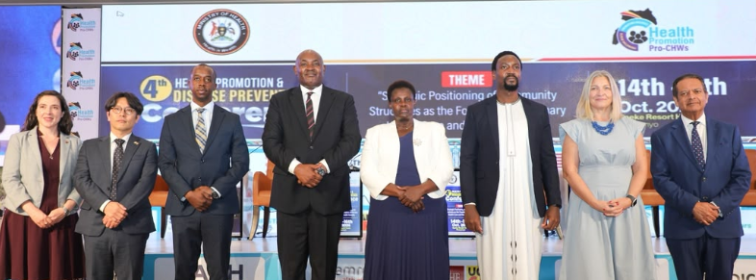
KAMPALA, Uganda — In a bold push to stop diseases before they become public health emergencies, the United States is strengthening Uganda’s community health system with approximately $5.9 million in support for Community Health Extension Workers (CHEWs), placing frontline prevention at the heart of primary health care and global health security. The announcement came as the two countries opened the Fourth Health Promotion and Disease Prevention Conference on October 14, 2026, highlighting the growing importance of community-based health services in protecting vulnerable populations and detecting disease threats early.
The U.S. investment has already supported the training of more than 4,000 CHEWs. In the coming weeks, the United States will support the graduation of more than 2,200 workers across 22 districts while launching training for nearly 1,300 additional workers in nine districts. By 2029, the U.S. plans to support the training of nearly 14,000 CHEWs as part of Uganda’s wider national effort to strengthen community health services. These workers serve as a critical link between households and formal health facilities, bringing health education, preventive services and referrals closer to communities that might otherwise struggle to access timely care.
Beyond providing basic health information, CHEWs are expected to help identify early warning signs of malaria, HIV, tuberculosis, sickle cell disease, infectious disease outbreaks and other health conditions. By encouraging early detection and connecting patients to appropriate care, they can help prevent illnesses from becoming more severe and reduce the risk of diseases spreading within communities. According to studies cited in the announcement, every dollar invested in community health in Uganda generates an estimated $13 in health and economic benefits, underscoring the potential value of investing in prevention rather than relying solely on treatment after illness strikes.
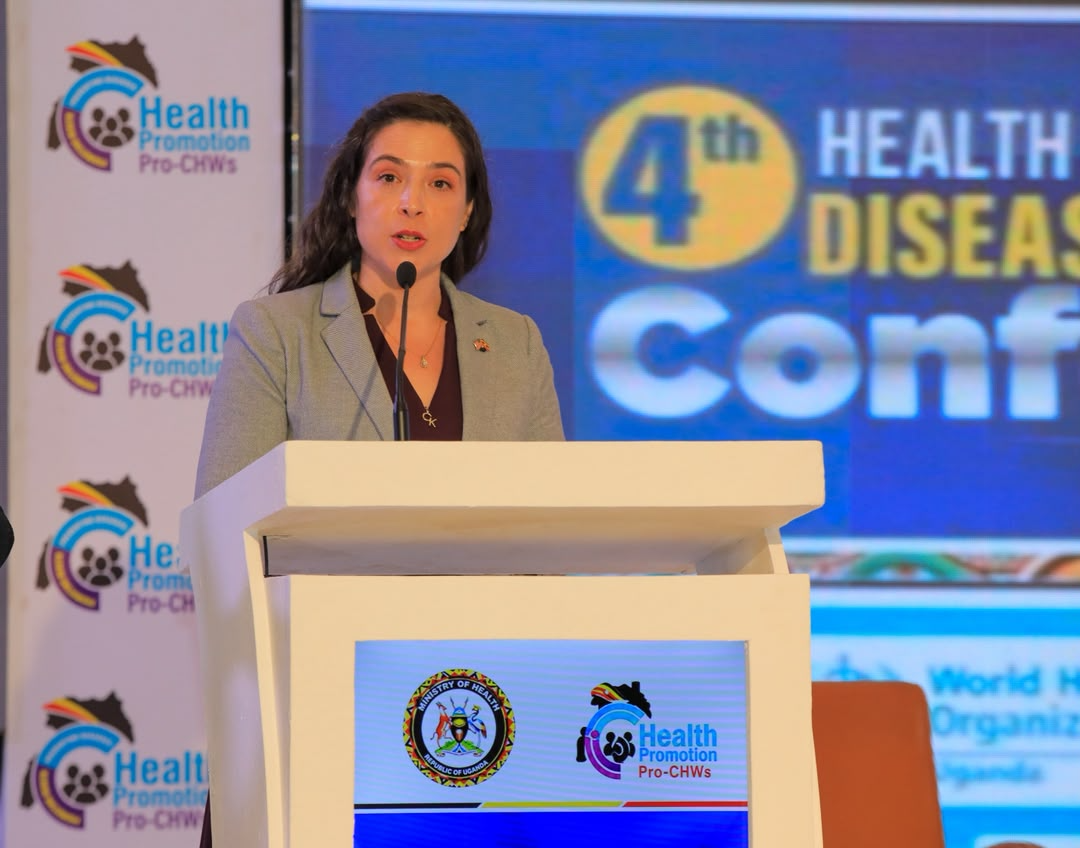
The initiative is part of a broader partnership involving the Government of Uganda and other development partners, including the World Bank, the Global Fund, UNICEF, the Mastercard Foundation, Living Goods and community-based organisation Nama Wellness. Speaking at the conference, Mary Borgman, Director of the Office of Global Health Diplomacy, described community health workers as the first line of defence against disease. She emphasised that effective implementation will depend on deploying trained workers promptly, ensuring consistent payment and supervision, and increasing domestic financing so that Uganda gradually assumes a greater share of the programme’s costs.
The United States says the investment reflects the Trump Administration’s America First Global Health Strategy, which prioritises stopping disease threats at their source before they spread across borders. The assistance also advances the objectives of a five-year, $2.3 billion bilateral Health Cooperation Memorandum of Understanding signed in December 2025. As Uganda works to expand access to essential health services, the programme’s long-term success will depend not only on training thousands of workers but also on retaining them, equipping them and integrating them effectively into the national health system. The broader ambition is clear: stronger communities, earlier disease detection and a more resilient health system capable of protecting Ugandans while contributing to global health security.